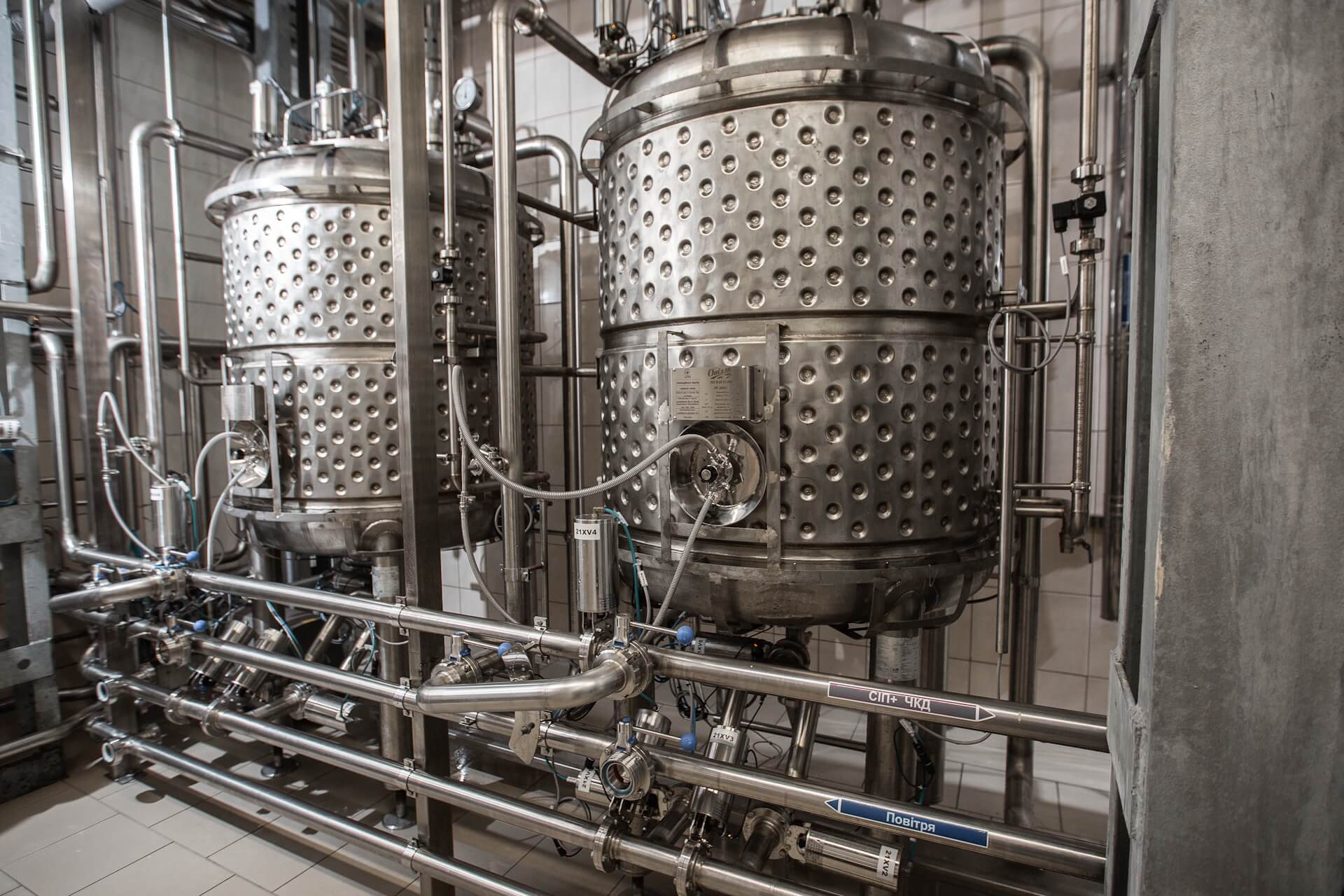
Modern food production cannot be imagined without stable hygiene in technological processes. It
is the CIP (Cleaning in Place) station that is a comprehensive solution for automatic cleaning
of the internal surfaces of equipment without dismantling it. It provides quality control,
repeatability of cycles, and resource savings, which are critically important for the dairy,
brewing, and other industries. Unlike local solutions, the CIP station works as a single
automated CIP system integrated into the production line, where CIP system cleaning is used only
as part of the overall process.
Functionality and advantages of CIP stations
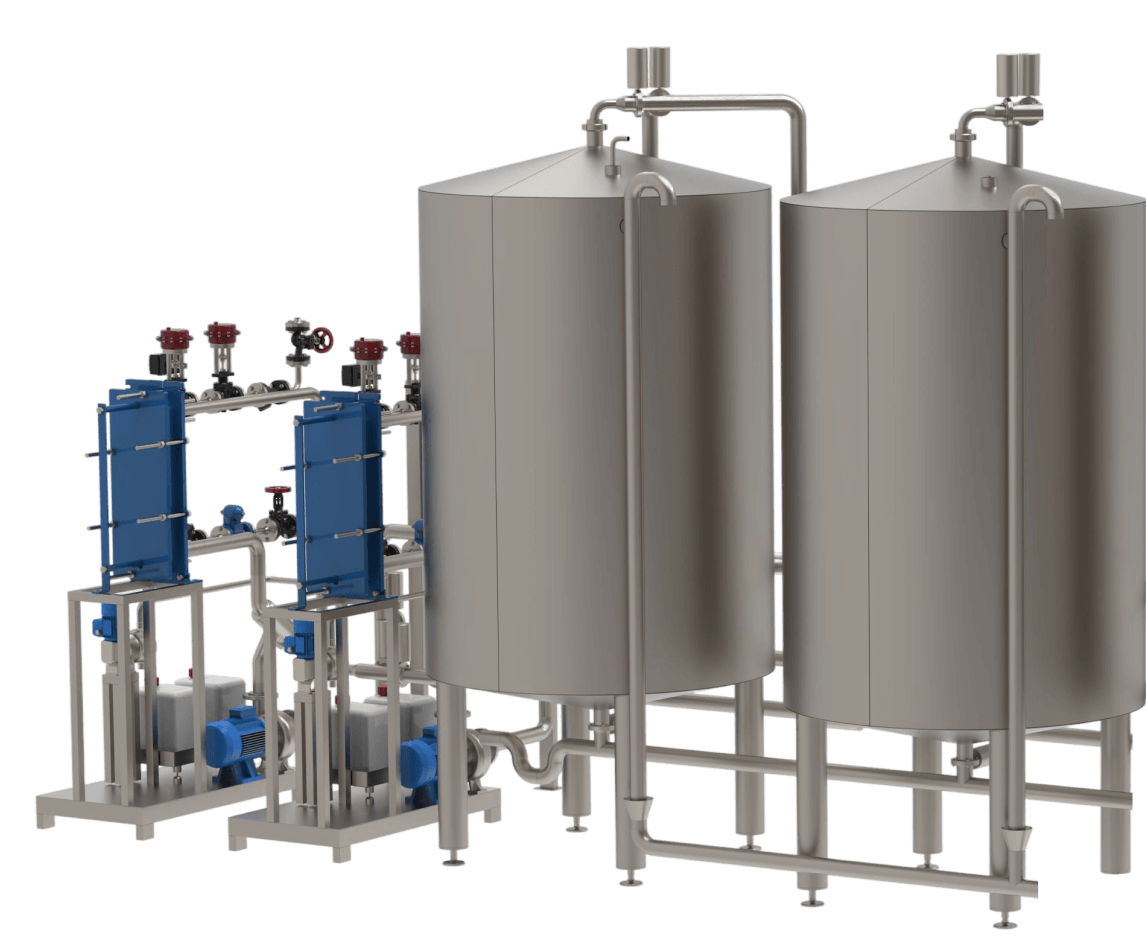
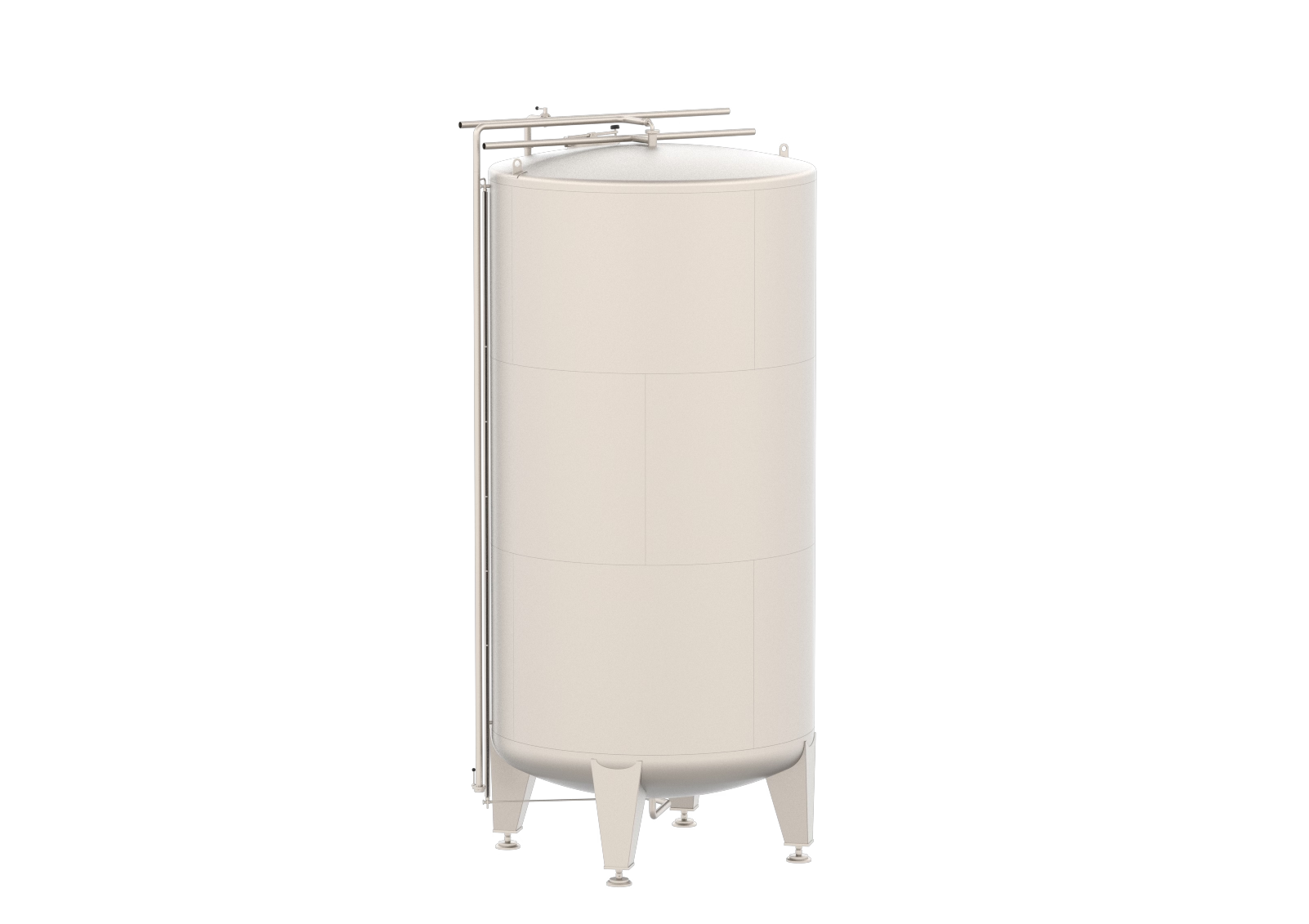
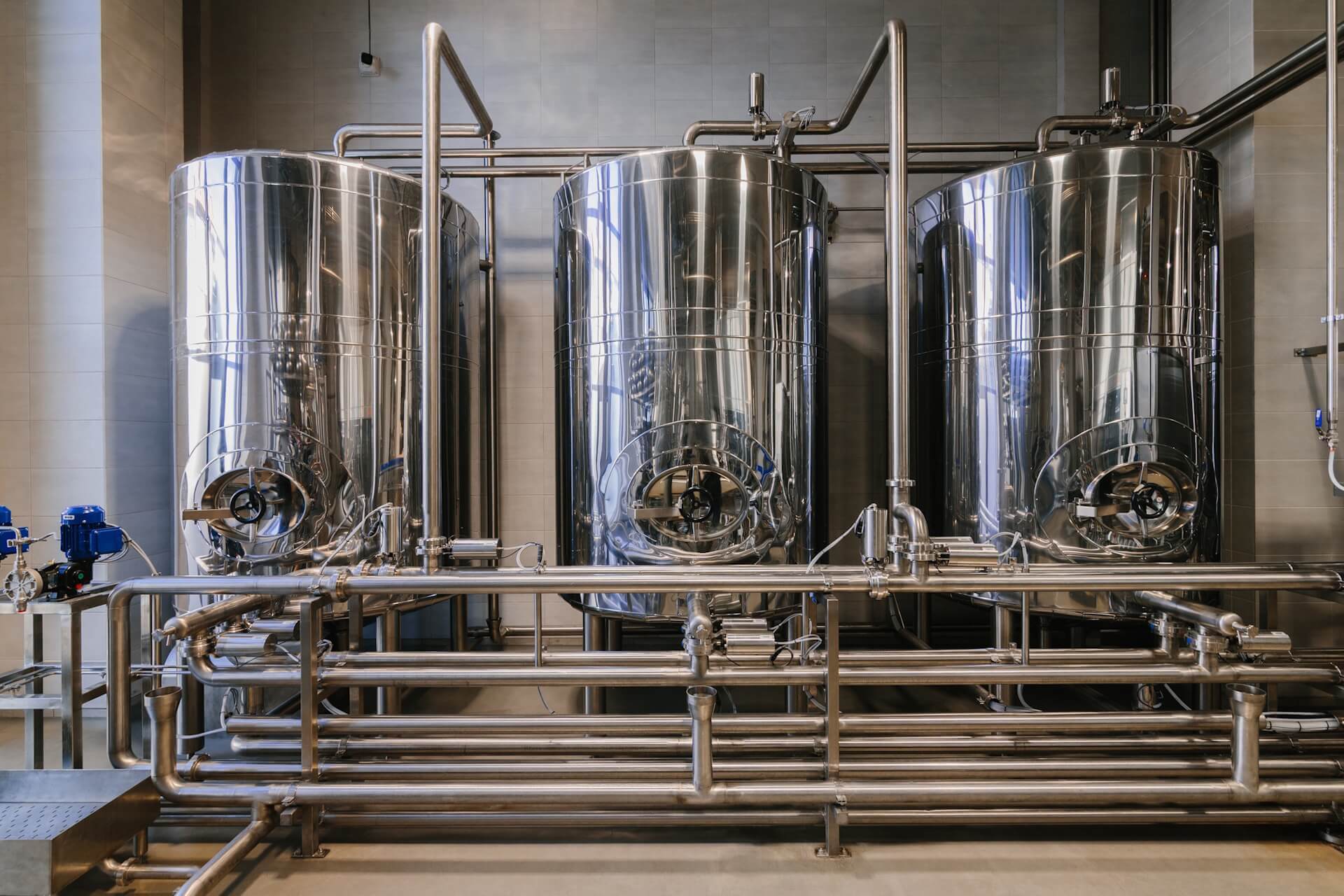
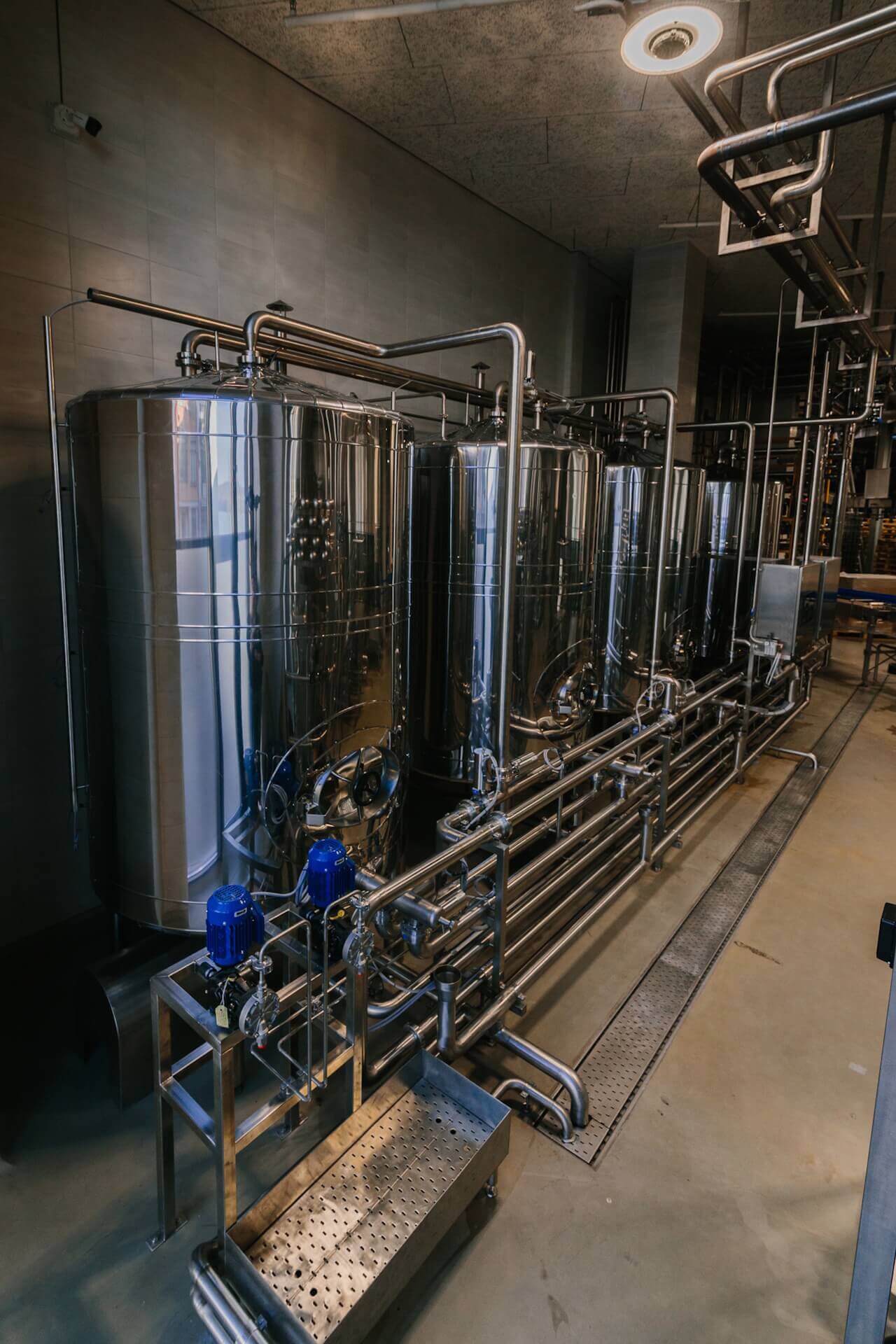
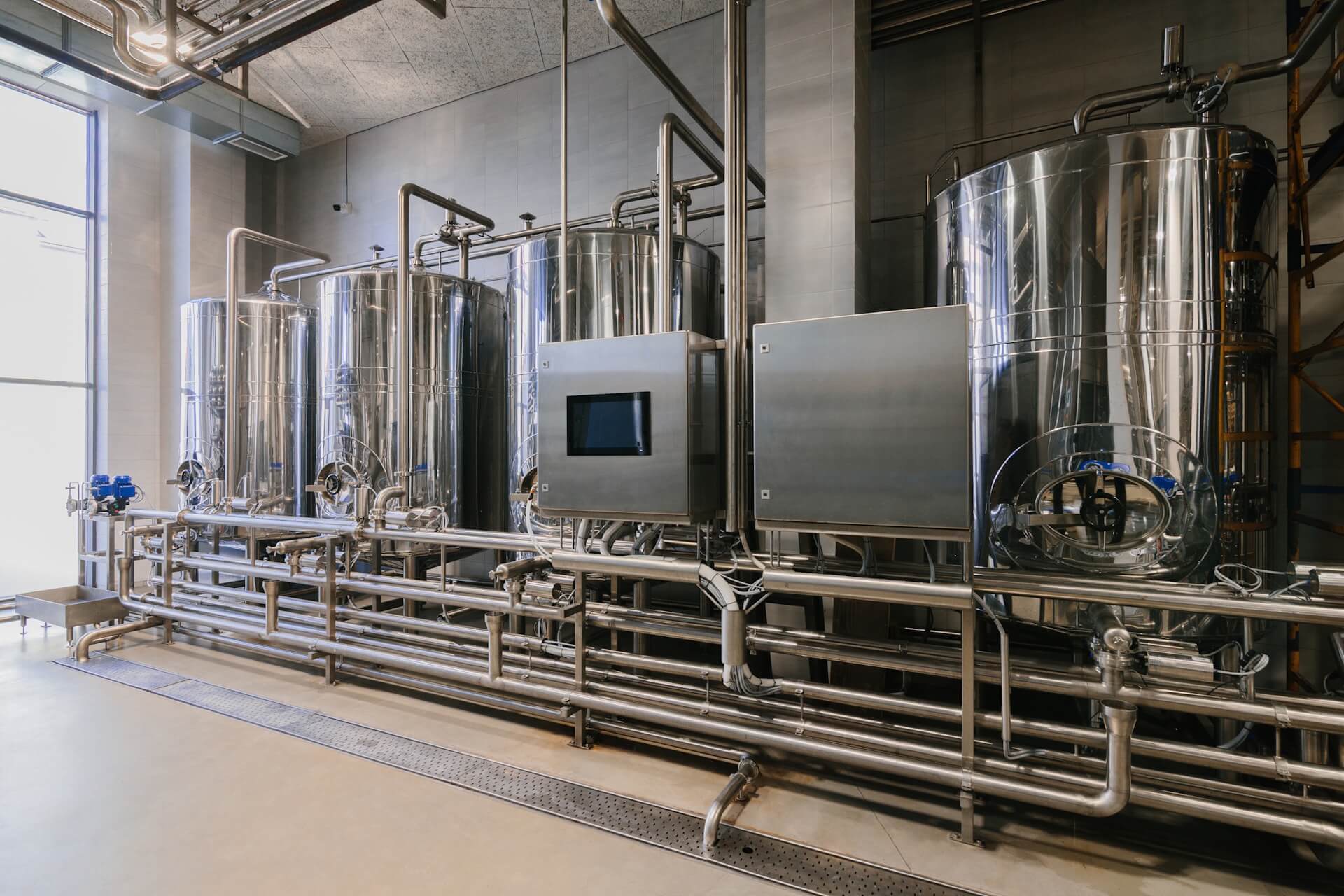
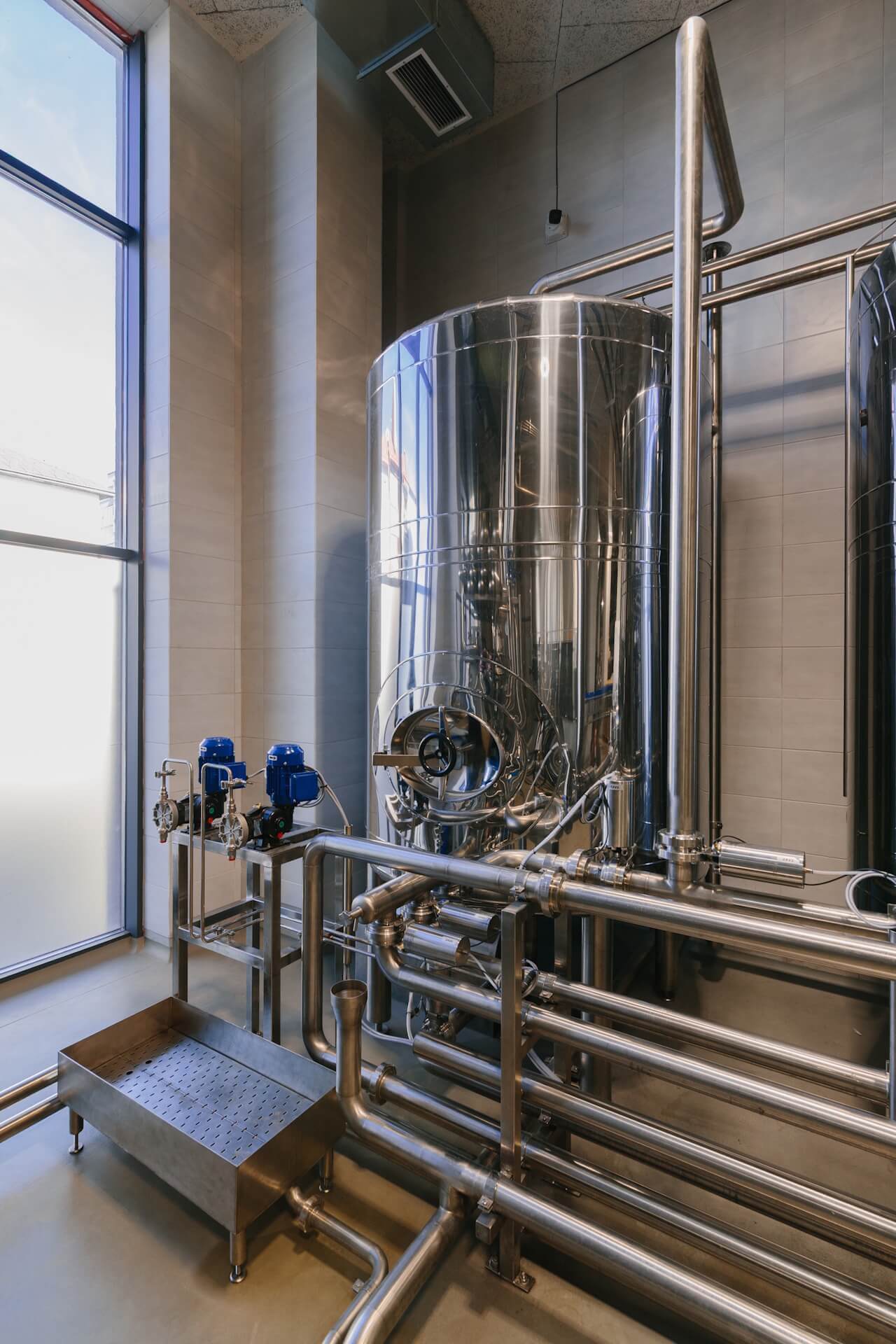
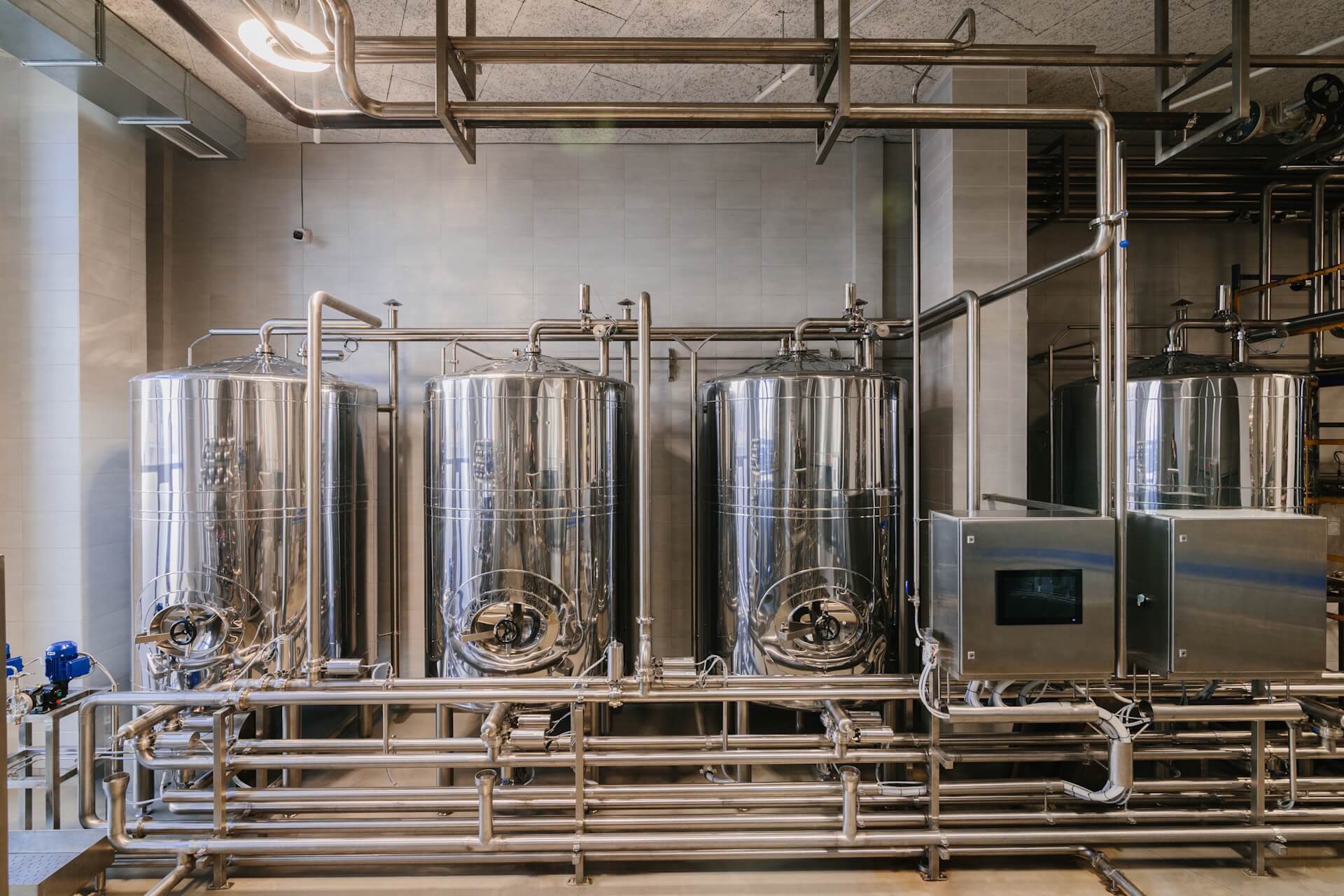
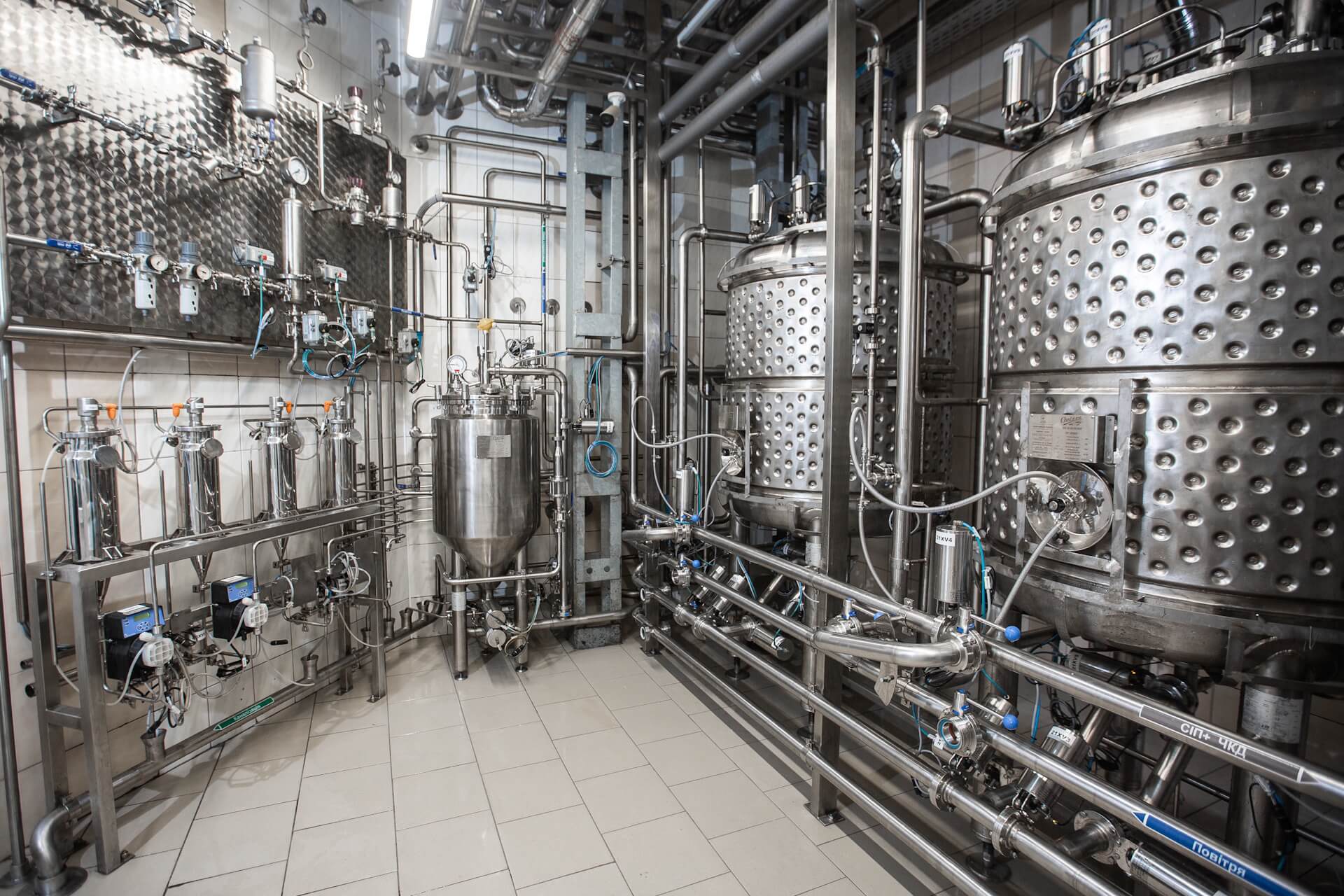
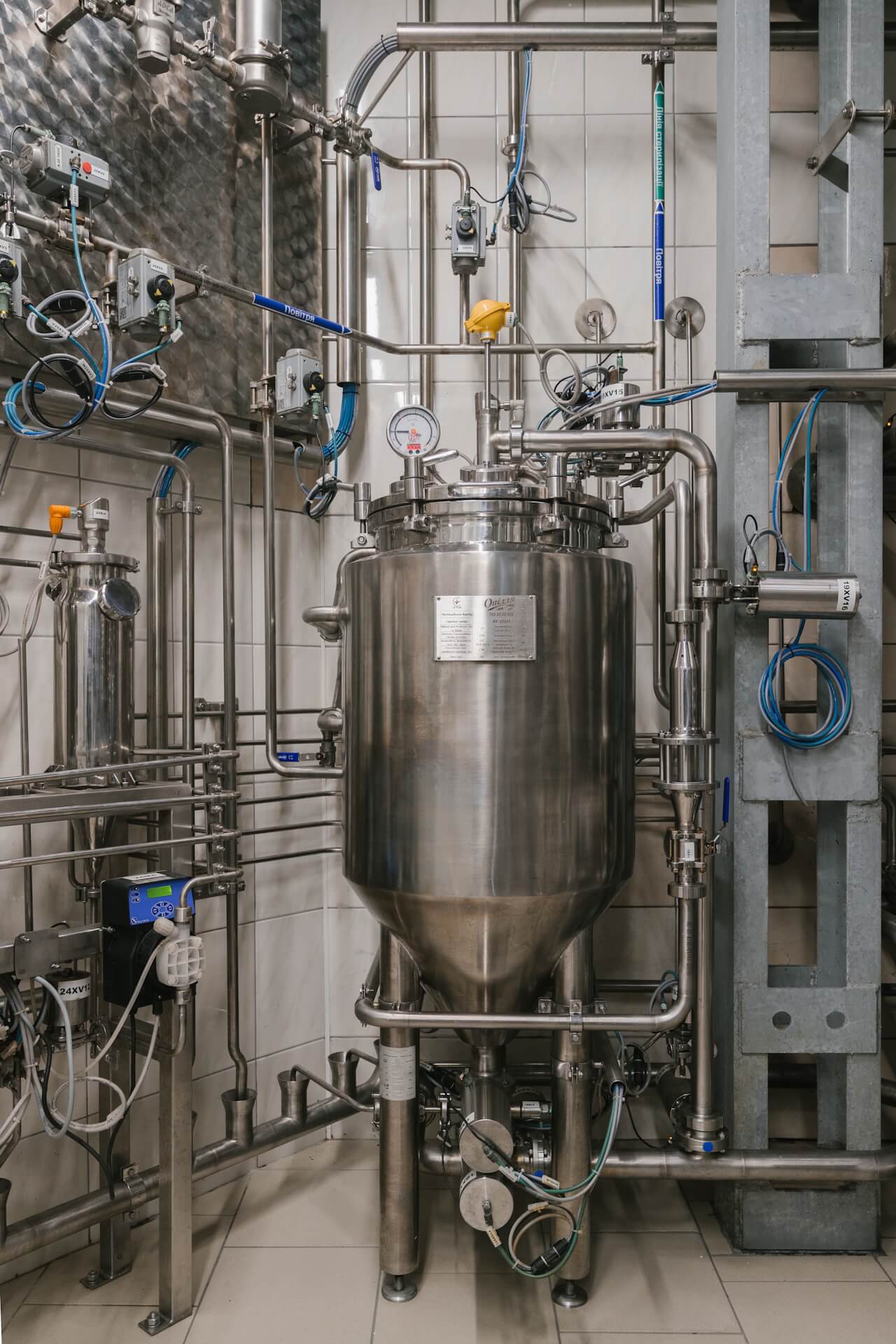
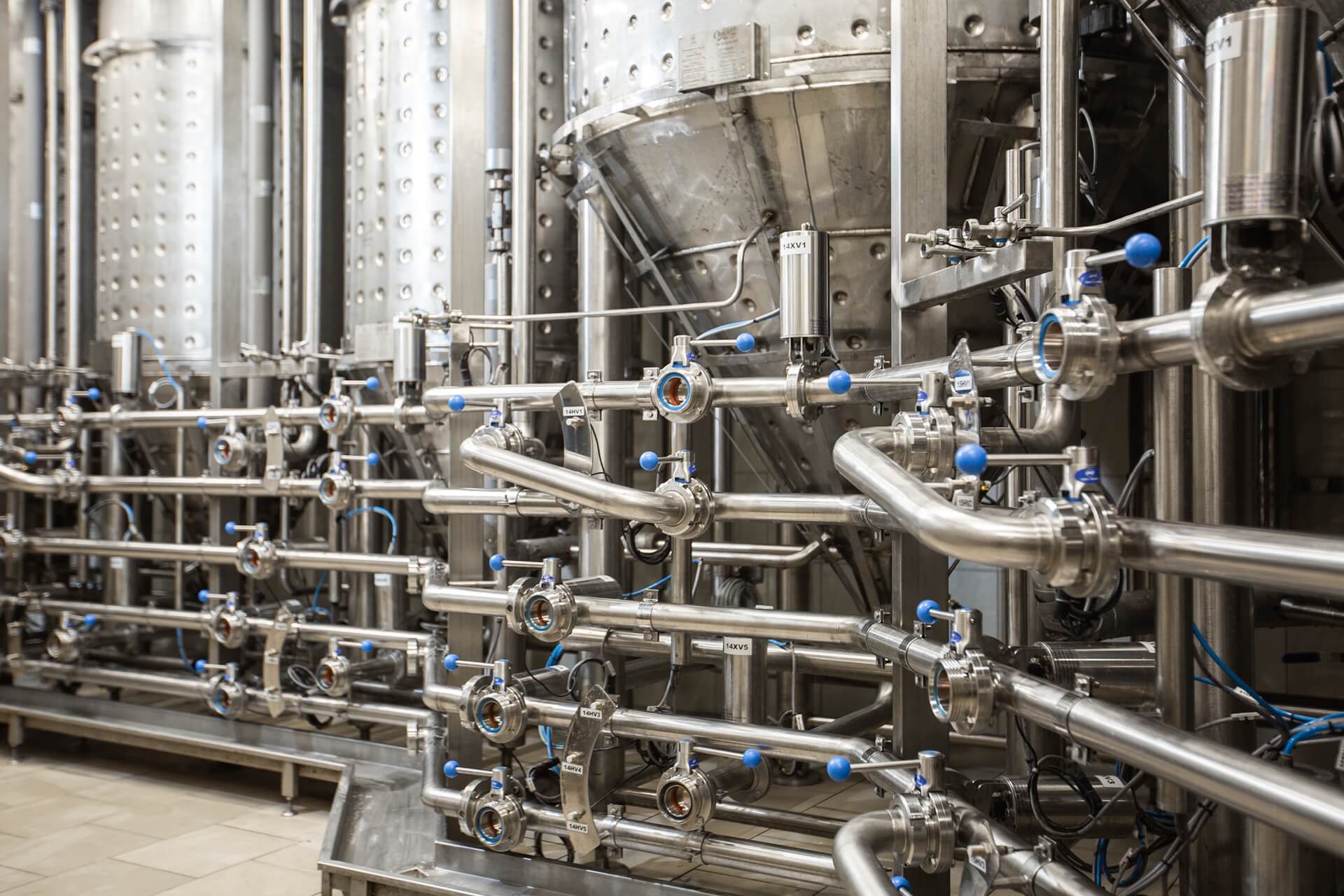
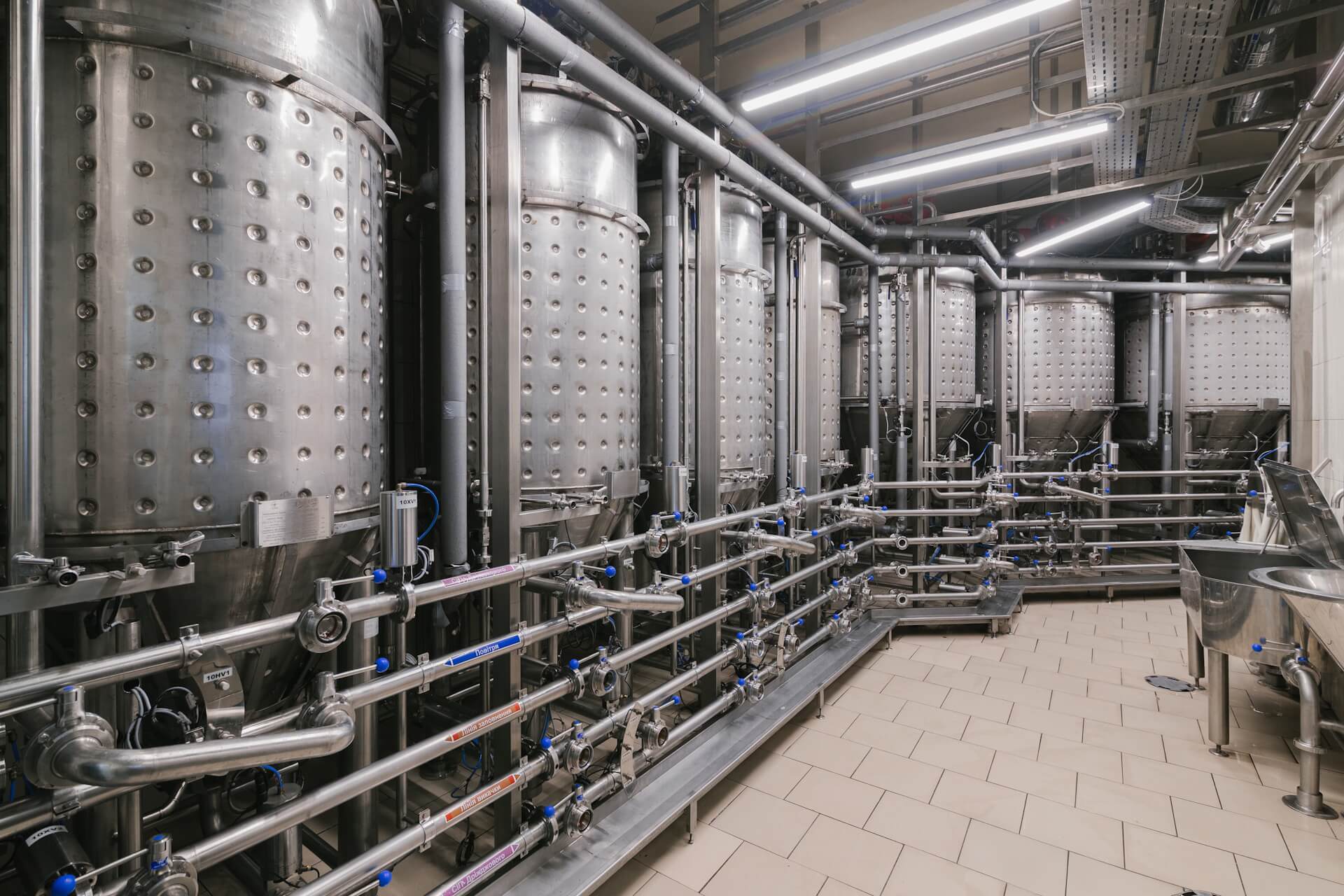
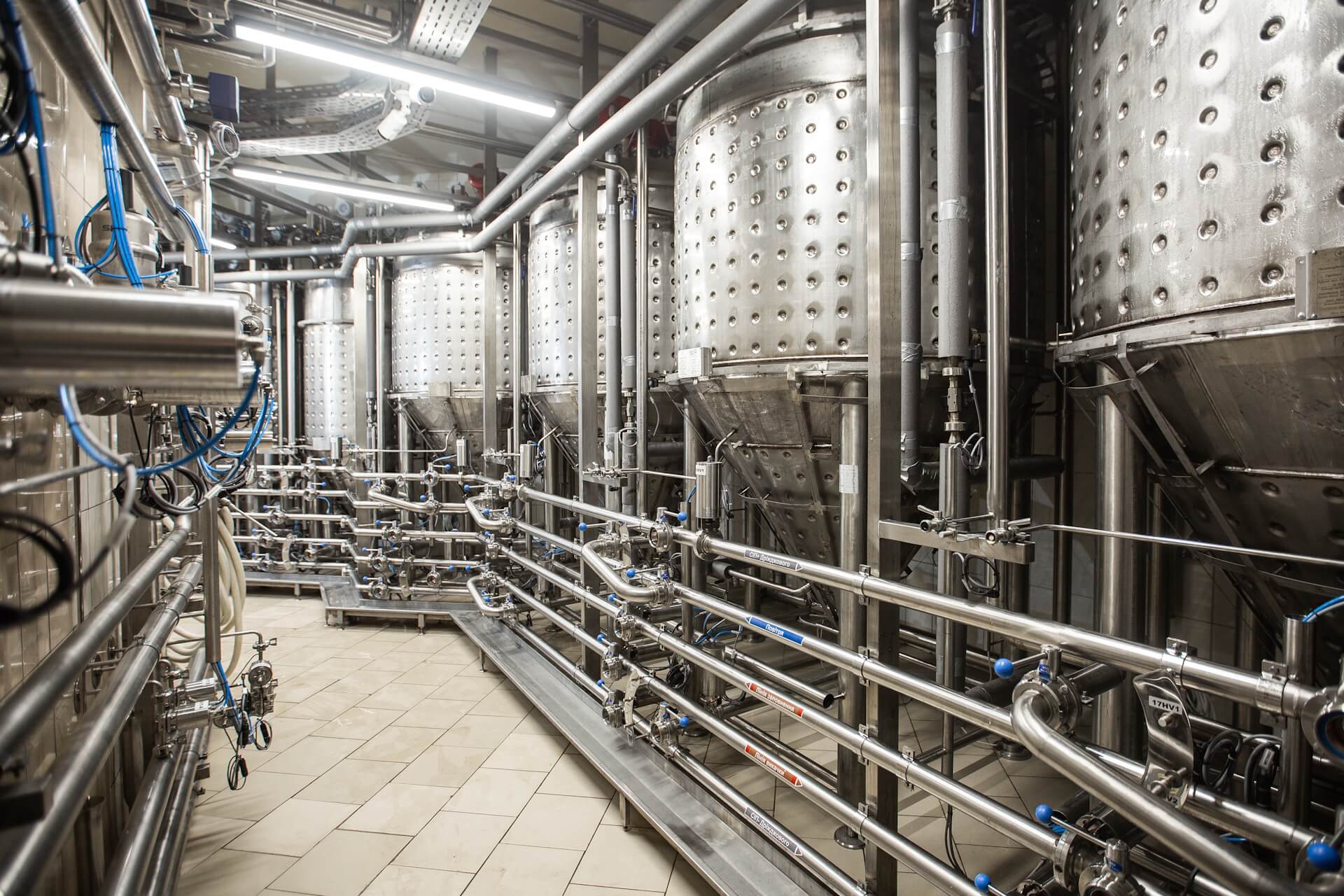
The CIP station combines CIP tanks, pumps, heat exchangers, automation, and pipelines into a
single clean-in-place skid. This ensures effective CIP washing of dairy equipment, tanks, pipes,
and heat exchangers with minimal personnel involvement, using properly selected CIP cleaning
solutions. Automatic control allows you to precisely observe the parameters of temperature,
concentration, and time.
The main advantages of CIP stations:
- fully automated cleaning cycle;
- reduction of water and chemical consumption;
- stable quality of sanitary treatment;
- safety of personnel and equipment;
- flexible selection for technological needs.
For enterprises planning to scale up, it is important to buy a CIP station with the ability to
select a configuration for specific tasks. That is why CIP equipment is considered not separately,
but as a function of the station, which operates stably and predictably within modern CIP
manufacturing processes.
Commercial opportunities and choice
The market presents CIP stations of different productivity and configuration, so the price of a
CIP washing machine is formed taking into account the volume of tanks, the level of automation,
the number of circuits, and the possibility of simultaneous work with several lines. When
choosing, it is important to take into account the specifics of production, the type of product,
and the requirements for sanitary standards, which allows you to make an accurate selection of
the system without overpayments. Ordering or purchasing a turnkey CIP system means investing not
just in equipment, but in the stability of processes, reduced downtime, and controlled quality
of cleaning.
For enterprises operating in bulk or with large production volumes, such solutions are
economically justified due to their long service life and quick payback. Оpillia Engineering
also provides access to local service, operational start-up, personnel training, and
professional support at all stages of operation, which is especially important for continuous
production cycles.